Magazine
Pseudomonas in drinking water: everything you need to know
Pseudomonas bacteria are germs that repeatedly cause concern in the United Kingdom. One reason for this is that patients in hospitals can become infected with these bacteria.
However, Pseudomonas bacteria are not only found in hospitals. They also occur in drinking water, soil, and bodies of water, and can cause disease under certain conditions. Find out in the following article how Pseudomonas aeruginosa in drinking water can affect health and what you should pay attention to in order to protect your drinking water quality.
What are pseudomonads?
Pseudomonads are rod-shaped, Gram-negative bacteria with polar flagella – thread-like structures used for locomotion – that do not form spores.
In the environment, pseudomonads are ubiquitous and often live on dead organic material. They are highly adaptable and require very few nutrients.
You can find them in soil, water, on plants or animals, among other places.
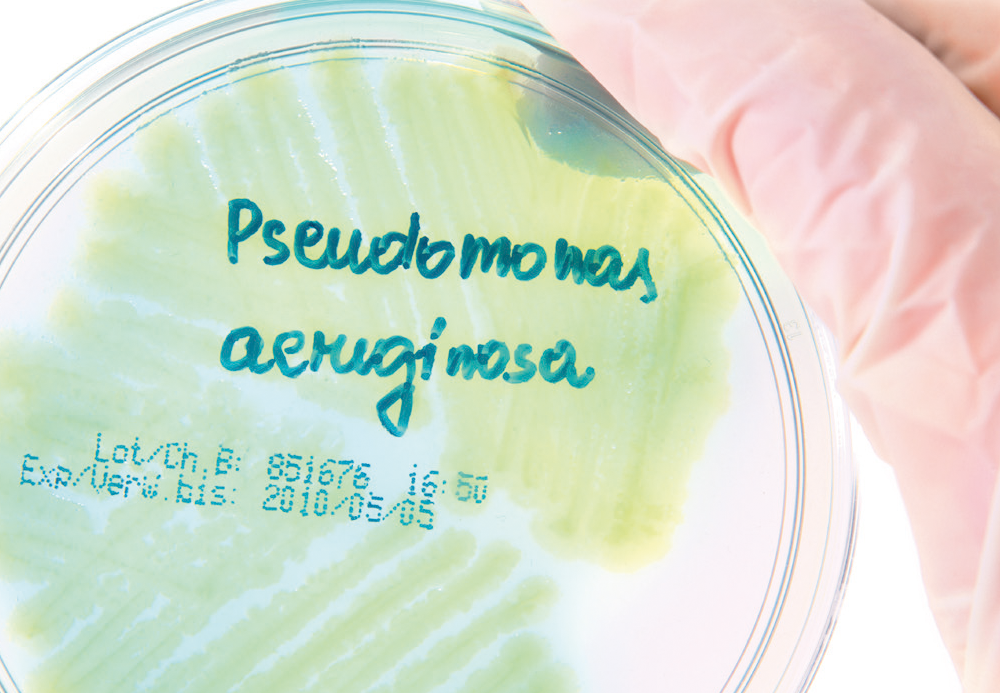
Pseudomonas aeruginosa – a pathogen that is also dangerous to humans
Pseudomonas aeruginosa is a very well-studied species and the most important within the genus Pseudomonas in human medicine, frequently causing relevant infections, particularly in healthcare facilities. It was described as early as 1882 by the French pharmacist Carle Gessard.
Antibiotic-resistant strains are particularly problematic. However, it is important to emphasize: Pseudomonas aeruginosa is not inherently multi-drug resistant. Whether resistance is present depends on the specific strain. When strains are resistant to multiple antibiotics, they are referred to as multi-drug resistant pseudomonads.
Habitats and multiplication
The bacteria prefer moist areas, such as water pipes, sinks, toilets, or insufficiently chlorinated swimming pools.
Pseudomonas bacteria can (survive and) thrive under both nutrient-rich and nutrient-poor conditions. They multiply optimally between 9°C and 42°C, meaning in both cold and warm water systems.
Biofilm provides an ideal habitat as it offers protection against environmental influences (such as chlorine, UV light, and high temperatures).
Transmission of the bacteria
These bacteria are generally transmitted via contaminated water or contaminated surfaces.
In hospitals, transmission occurs predominantly through contact, for example via the hands of medical staff or contaminated medical equipment. Water-bearing systems (especially sink/siphon and shower drains) can serve as a habitat and contribute to transmission, but compared to direct contact transmission, they are not the most common pathway.
The clinical pictures of an infection depend on the specific Pseudomonas species. Pseudomonas aeruginosa primarily causes the following conditions:
- Pneumonia
- Bloodstream infection (septicaemia)
- Urinary tract and wound infections
- Otitis externa (outer ear infection)
Are Pseudomonas in drinking water dangerous?
For healthy people, Pseudomonas in drinking water generally do not pose a risk.
People whose health is compromised or who are undergoing medical treatment face a higher health risk. Therefore, ensuring water quality is essential in hospitals, (dental) surgeries, and residential buildings. This includes ensuring tap water is free from pathogenic germs.
Water filters for taps & shower heads as an immediate measure
The use of water filters for taps and shower heads is a sensible immediate measure, not only in the event of contamination. Using these filters is also a recommended way to protect human health.
Preventing Pseudomonas
Prevention is generally the best measure against unwanted bacteria or pathogens in drinking water. This includes, for example, preventing stagnant water by regularly flushing the entire drinking water system, where letting the water run for just a few minutes is not sufficient. It is also important to consider infection risks from wastewater, such as aerosols from trap water in sinks and showers.
Defective piping systems also promote the proliferation of germs and should be upgraded to the current state of the art accordingly.
Bi-annual testing of water in building installations for specific pathogens is an indispensable control measure.
Consistent adherence to hygiene plans, including chemical or thermal disinfection measures, also contributes to containing waterborne pathogens.
An effective prevention strategy is using point-of-use or inline sterile water filters, which allow immediate reduction of Pseudomonas aeruginosa infection rates in settings such as hospitals. In this context, it is also important to ensure that retrograde contamination via the used filters is ruled out.
Detection of Pseudomonas
If you suspect that Pseudomonas are present in high concentrations in your tap water, a water analysis provides precise information in the first instance. Since germs can be present not only at terminal fittings but throughout the entire building installation, only a professional drinking water analysis can provide definitive information on Pseudomonas contamination.
If Pseudomonas aeruginosa is detected, appropriate measures must be initiated. These include flushing, material replacement, and disinfection procedures, applied either individually or in combination.
Subscribe to our newsletter
In our newsletter, we share interesting insights, tips, and news regarding water hygiene. Four times a year, Aqua free provides you with information on specialist and legal topics.