Magazine
Tap water temperatures: Important for hot & cold water
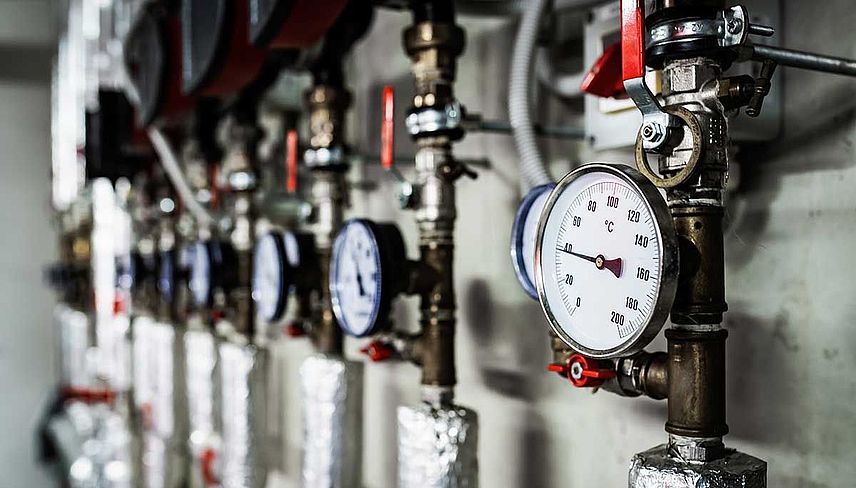
The correct tap water temperature plays an important role in drinking water hygiene. Both excessively high temperatures in cold water and permanently low temperatures in hot water can encourage hygiene risks within the drinking water installation.
In this article, find out which temperatures are recommended for hot and cold water and which additional factors should be considered.
Why the temperature of tap water is so important
The temperature significantly influences the hygienic and microbiological quality of drinking water. Temperature ranges in which water-associated microorganisms can multiply rapidly under suitable conditions are particularly critical.
In accordance with recognised industry standards and HSE guidance, maintaining suitable temperature regimes is one of the most crucial measures for ensuring drinking water hygiene.
Hot water: Are 40, 45, 50 or 60 °C hygienically sensible?
For energy-saving reasons, the question often arises as to whether hot water can be operated permanently at 40 °C, 45 °C or 50 °C, or whether 60 °C is required.
From a hygiene perspective, permanently reduced hot water temperatures are considered critical. In particular, temperatures between approximately 25 °C and 45 °C can, under suitable conditions, encourage the multiplication of Legionella as well as other hygiene-relevant microorganisms.
60 °C at the calorifier outlet is recommended for central hot water systems
In accordance with BS 8558 and HSE guidance (HSG274 Part 2), the hot water flow temperature at the calorifier outlet in central heating systems should be at least 60 °C. The return temperature to the calorifier should not fall below 50 °C (or 55 °C in healthcare premises) to ensure effective temperature control throughout the distribution system.
The temperature of hot tap water plays an important role in drinking water hygiene, particularly in central hot water systems. Suitable temperature conditions help to avoid hygienically critical areas within the drinking water installation as far as possible.
Temperature deviations identified early can contribute to minimising hygienic risks within the drinking water installation and avoiding costly follow-up measures.
When reduced hot water temperatures can become particularly critical
Reduced temperatures can become particularly critical in the case of:
- stagnant pipe sections,
- insufficient circulation,
- a lack of hydraulic balancing,
- long pipe runs,
- or unfavourable temperature conditions within the installation.
A combination of insufficient temperatures and one or more of the listed aspects further increases the risk of the multiplication of hygiene-relevant microorganisms. Exceptionally critical are hot water temperatures that are too low when individual pipe sections are rarely used or do not have sufficient flow. Poorly adjusted circulation can also cause the water to cool down too much in parts of the system. Under such conditions, Legionella can multiply more easily.
Alternative solutions for different system designs
Depending on the system design, operating mode, and area of application, different technical solutions or alternative hygiene concepts can be applied.
With decentralized drinking water heating, for example, the water is only heated close to the point of use.
If, on the other hand, the temperature in an existing central hot water system is to be lowered, the hygienic suitability for this system must be separately tested and proven.
Cold water: The underestimated danger of rising temperatures
Not only hot water pipes are relevant for hygiene. Cold water can also become problematic if the water in the installation warms up too much.
If the temperature in the cold water system permanently rises above approximately 20 °C to 25 °C, hygienically critical conditions can also develop within the drinking water installation.
Possible causes include:
- insufficient insulation,
- thermal interactions between hot and cold water,
- high ambient temperatures,
- or stagnant pipe sections.
In accordance with recognised industry standards and HSE guidance, cold water systems must be maintained below 20 °C to prevent microbiological risks.
Correct water temperatures as a central pillar of drinking water hygiene
Monitoring tap water temperatures is one of the most important measures for ensuring drinking water hygiene.
Subscribe to our newsletter
In our newsletter, we share interesting insights, tips, and news regarding water hygiene. Four times a year, Aqua free provides you with information on specialist and legal topics.